

The relationship felt like a constant push and pull. One moment they were warm and present, the next they vanished behind invisible walls. Then came the breakup—sudden, confusing, and utterly devastating.
If you have loved someone with an avoidant attachment style, you know this pain intimately. The silence after the storm. The unanswered questions. The feeling that you were somehow too much and never enough at the same time.
You are not alone. Research shows that avoidant attachment is associated with higher rates of relationship dissolution and divorce. Understanding the psychology behind avoidant breakups is the first step toward healing—and that is exactly what this guide offers, along with our free no contact tracker.
Personalized analysis · 1 minute
Your ex pulled away. But what is still holding you back?
Answer 5 questions to understand what keeps you in doubt and get 3 actions tailored to your situation.
Free · private
You’ll leave with
- What is keeping you waiting
- The reflex that feeds the doubt
- 3 concrete actions for today
Understanding Avoidant Attachment
Avoidant attachment is one of four attachment styles identified by psychologist Mary Ainsworth, building on John Bowlby's foundational attachment theory. It develops in childhood when caregivers are emotionally unavailable, dismissive, or inconsistent in meeting a child's needs.
To survive this emotional landscape, children learn to suppress their attachment needs. They discover that relying on others leads to disappointment, so they develop fierce independence as a protective mechanism.
Core characteristics of avoidant attachment include:
- Discomfort with emotional intimacy and closeness
- Strong preference for independence and self-reliance
- Difficulty expressing emotions or needs
- Tendency to withdraw when partners seek connection
- Viewing relationships as threats to autonomy
This is not a conscious choice. Avoidant attachment is a deeply ingrained survival strategy that served a purpose in childhood but creates significant challenges in adult relationships.
Why Avoidants End Relationships
Understanding why avoidants end relationships can help you stop blaming yourself for what happened. Their departure often has little to do with you and everything to do with their internal wiring.
Intimacy Triggers
As relationships deepen, avoidants experience what psychologists call "deactivation triggers." Milestones that feel positive to you—moving in together, saying "I love you," discussing the future—can feel suffocating to someone with avoidant attachment.
The closer you get, the more threatened they feel. Their nervous system interprets intimacy as danger, triggering a primal urge to flee.
The Independence Imperative
Avoidants prize autonomy above almost everything else. When relationship demands increase, they begin to feel their independence slipping away. Rather than communicate these fears, they often initiate a breakup to reclaim their sense of self.
Emotional Overwhelm
People with avoidant attachment have limited capacity for sustained emotional connection. After periods of closeness, they need to withdraw to regulate their nervous system. If they cannot create distance within the relationship, they may create it by ending the relationship entirely.
The "Grass Is Greener" Phenomenon
Some avoidants struggle with commitment because they idealize freedom and the possibility of other relationships. They may convince themselves that something better exists elsewhere—a fantasy that protects them from the vulnerability of choosing one person.
How Avoidants Experience Breakups
Here is what most people do not understand: avoidants feel the pain of breakups deeply. They simply process it differently than other attachment styles.
The typical avoidant breakup experience follows this pattern:
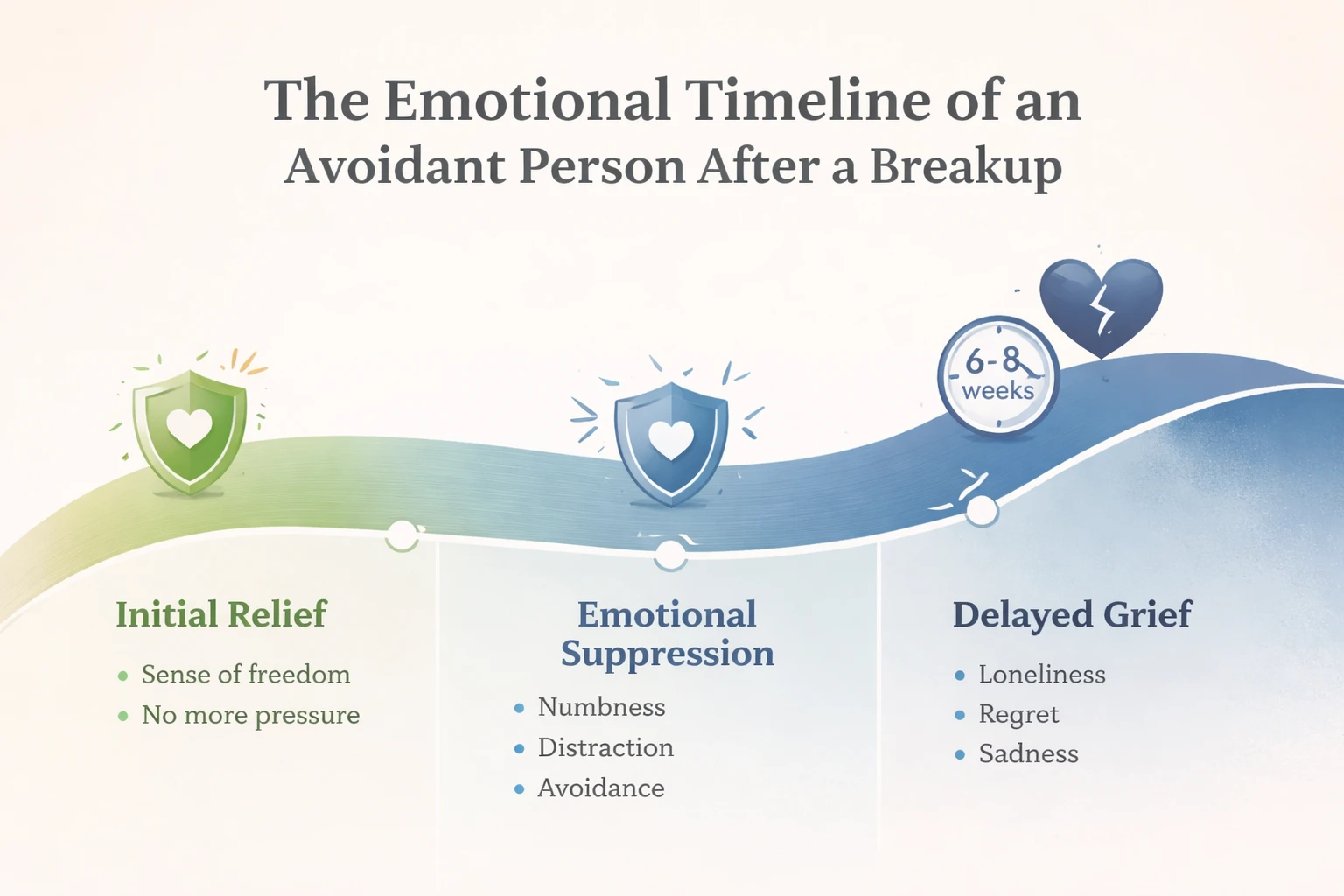
Initial Relief (Days 1-14): Immediately after the breakup, avoidants often feel relief. The anxiety of intimacy lifts. They reclaim their independence. They may seem fine—even happy—which can be incredibly painful for their former partner to witness.
Suppression Phase (Weeks 2-6): During this period, avoidants actively push down any emerging emotions. They stay busy, focus on work, and avoid anything that might trigger feelings about the relationship.
Delayed Grief (6-12 weeks): Research indicates that avoidants typically do not feel the full impact of their loss until approximately six weeks after the breakup. Some studies suggest the three-month mark is when reality truly hits.
The Crisis Point: When suppression no longer works, avoidants may experience what researchers describe as a depressive episode characterized by numbness, disconnection, and a sense of meaninglessness.
This delayed processing explains why your avoidant ex may reach out months after the breakup, seemingly out of nowhere. Their emotions finally caught up with them.
Dismissive Avoidant vs. Fearful Avoidant Breakups
Not all avoidant breakups look the same. Understanding the difference between dismissive and fearful avoidant patterns can help you make sense of your experience.
Dismissive Avoidant Breakups
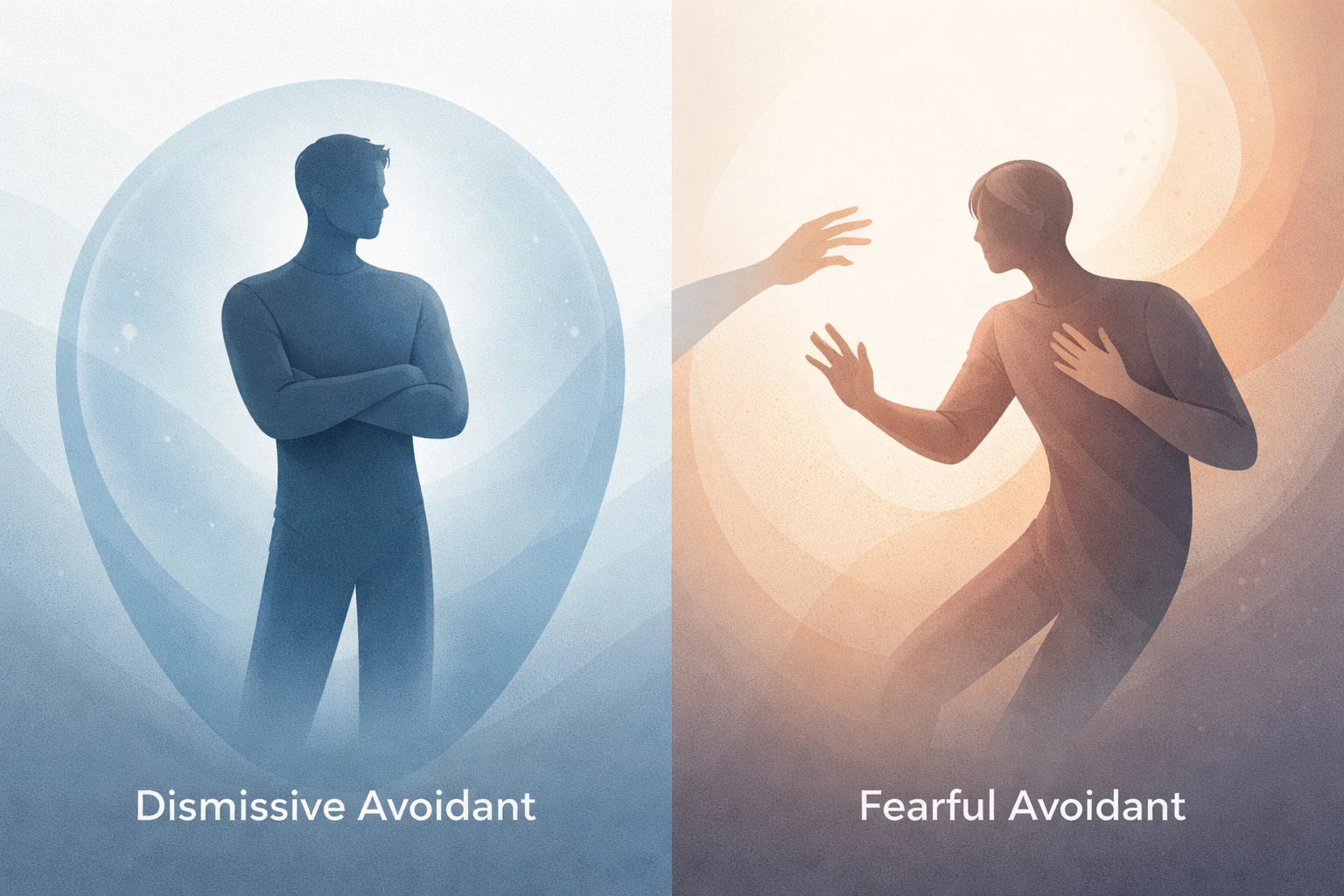
Dismissive avoidants have high self-esteem but low regard for relationships. They genuinely believe they do not need others and can handle life alone.
Their breakup style:
- Swift and decisive—they do not look back
- May seem cold or indifferent
- Unlikely to show visible distress
- Often cite vague reasons like "it is not working"
- Rapid emotional shutdown and detachment
Dismissive avoidants use stonewalling as a coping mechanism. They may completely stop responding to their ex—not out of cruelty, but because engaging with the emotional aftermath threatens their sense of stability.
Fearful Avoidant Breakups
Fearful avoidants (also called anxious-avoidants) have both a fear of intimacy AND a fear of abandonment. This creates intense internal conflict.
Their breakup style:
- Hot and cold behavior leading up to the breakup
- May break up impulsively during conflict
- Experience immediate regret but struggle to reconnect
- Cycle between reaching out and withdrawing
- Display visible confusion about their own feelings
To understand this pattern more deeply, explore the fearful avoidant stages that occur after a relationship ends.
Do Avoidants Miss Their Exes?
This question haunts everyone who has loved an avoidant: did they ever really care?
Yes. Avoidants miss their exes. The research is clear on this point. Attachment avoidance does not mean absence of emotion—it means suppression of emotion.
Here is what happens internally for an avoidant after a breakup:
- They think about you more than they admit
- They remember the good times, often idealizing them
- They experience loneliness but struggle to connect it to missing you specifically
- They may not recognize their feelings as "missing you" because that level of self-awareness requires emotional processing they avoid
The cruel irony is that avoidants often do not realize how much someone meant to them until long after the relationship is over. By then, pride, fear, and time have created seemingly insurmountable barriers to reconnection.
If you are wondering whether your avoidant ex has hidden feelings, look for the signs they have hidden feelings that they struggle to express.
Download No Contact AI
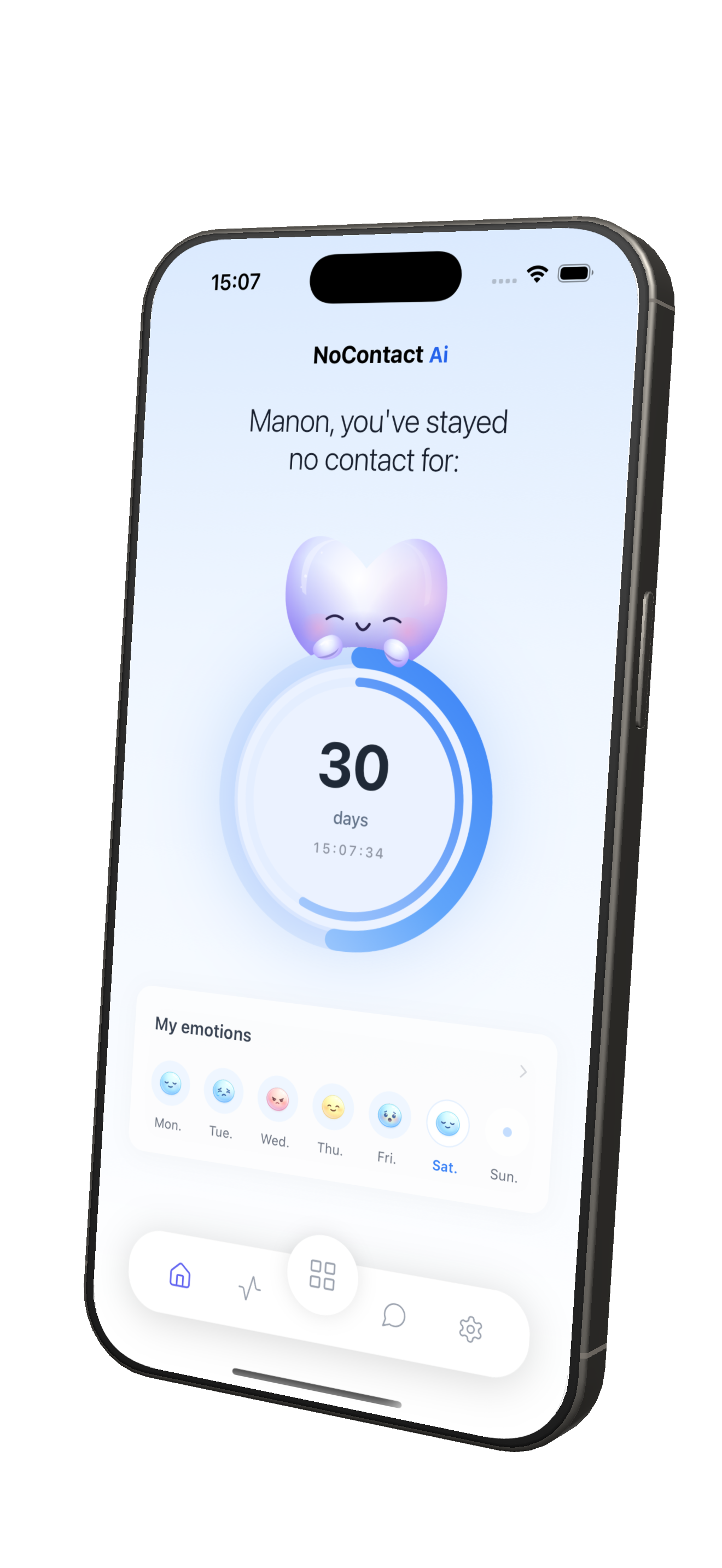
No contact day counter, private journal, and chat support to get through a breakup.
Download the app
Scan with your phone
Automatic redirect to iOS or Android
Signs an Avoidant Regrets the Breakup
Avoidants rarely express regret directly. However, their behavior often reveals what their words cannot.
Watch for these subtle signs:
- Indirect contact: Liking your social media posts, showing up at places you frequent, or reaching out through mutual friends
- Nostalgic conversations: Bringing up positive memories from your relationship when you do communicate
- Lingering presence: Keeping your belongings, maintaining access to shared accounts, or not deleting your photos
- Hot and cold patterns: Reaching out warmly then pulling back, repeating this cycle
- Jealousy responses: Reacting negatively when they learn you are moving on
- Self-improvement signals: Making visible changes they know you wanted during the relationship
- Questions about your life: Seeking information about your wellbeing through others
Remember: an avoidant showing regret does not mean they are ready or able to reconcile. These signs simply indicate that they are feeling the loss.
Will an Avoidant Come Back?
This is perhaps the most agonizing question. The honest answer is: sometimes they do, but often under specific circumstances.
Factors that increase the likelihood of an avoidant returning:
- Sufficient time has passed for them to process emotions (typically 3-6 months minimum)
- The relationship was relatively long-term and meaningful
- They have done personal work on their attachment patterns
- External circumstances change (stress reduction, life transitions)
- They see evidence that you have moved forward without them
Factors that decrease the likelihood:
- You pursued them aggressively after the breakup
- The relationship was short or not deeply bonded
- They have entered a new relationship
- Their avoidant patterns are particularly severe
- There were significant conflicts or they feel blamed
The most important thing to understand is that waiting for an avoidant to return is not a healing strategy. Whether they come back or not should not determine your path forward.
How to Heal After an Avoidant Breakup
Healing from an avoidant breakup requires specific approaches that address the unique wounds this experience creates.

1. Stop Personalizing Their Behavior
Your avoidant ex's withdrawal was not a verdict on your worth. Their inability to sustain intimacy predates you and will likely continue after you. This is their pattern, not your failing.
Repeat this as often as necessary: "Their avoidance is about their capacity, not my value."
2. Implement Complete No Contact
Research shows that individuals with anxious attachment—who often partner with avoidants—experience increased distress when they monitor their ex online. Remove yourself from this pain:
- Unfollow or mute them on all platforms
- Delete or archive text conversations
- Remove photos from easily visible locations
- Ask mutual friends not to provide updates
No contact is not about punishing them or engineering their return. It is about protecting your nervous system and creating space for genuine healing.
3. Process the Relationship Honestly
Avoidant relationships often create cognitive dissonance. The highs were intoxicating, the lows were devastating. Allow yourself to hold both truths:
- The connection was real AND the relationship was fundamentally limited
- They cared about you AND they could not show up consistently
- You loved fully AND you deserve more than someone can give from behind walls
4. Examine Your Own Patterns
Many people who partner with avoidants have anxious attachment styles. This creates a painful dance where one partner pursues while the other withdraws.
Consider honestly:
- What drew you to someone emotionally unavailable?
- Did their distance feel familiar or even comfortable in some way?
- What needs were you hoping they would fill?
This self-examination is not about blame—it is about understanding so you can make different choices.
5. Rebuild Your Secure Base
Healthy healing involves developing your own secure attachment, which you can cultivate regardless of relationship status:
- Practice consistent self-care routines
- Maintain reliable relationships with friends and family
- Make and keep promises to yourself
- Develop distress tolerance skills
- Seek therapy if the healing feels stuck
For additional guidance on recovery, explore our general breakup recovery strategies.
Should You Try to Get an Avoidant Ex Back?
Before investing energy in reconciliation, ask yourself these questions:
Honest assessment questions:
- Did they show capacity for growth during the relationship?
- Have they acknowledged their attachment patterns?
- Are they actively working on their issues (therapy, self-help, etc.)?
- When you expressed needs, did they make genuine efforts?
- Can you accept that progress will be slow and non-linear?
Red flags that suggest moving on:
- They have never acknowledged any role in relationship problems
- Stonewalling and emotional shutdown were their default responses
- They dismissed your feelings as "too much" or "dramatic"
- Previous reconciliation attempts failed
- You feel more anxious and less like yourself in the relationship
The fundamental truth: You cannot love someone into secure attachment. They must choose that path themselves. Your role is to decide whether you can accept who they are today—not who they might become.
If they have not done meaningful work on themselves since the breakup, getting back together will likely recreate the same painful patterns.
FAQ: Avoidant Attachment & Breakups
How do avoidants handle breakups?
Avoidants typically experience initial relief followed by emotional suppression. They may seem fine for weeks or even months before the full weight of the loss hits them. Research suggests most avoidants do not truly process breakup grief until 6-12 weeks after the relationship ends. They handle breakups by focusing on independence, staying busy, and avoiding emotional conversations.
Do avoidants come back after breaking up?
Some avoidants do return, but usually only after significant time has passed (3-6 months or more). They are more likely to come back if the relationship was meaningful, if you have given them space, and if they have done personal reflection. However, most avoidants return to similar patterns unless they have actively worked on their attachment style.
What does an avoidant feel after a breakup?
Despite appearing unaffected, avoidants feel loss, loneliness, and often regret. They experience these emotions differently—usually delayed and suppressed. They may not recognize feelings of missing their partner because that requires emotional awareness they actively avoid. Their relief is often followed by a delayed depressive response months later.
How to get over an avoidant ex?
Focus on no contact, process the relationship without self-blame, examine your own attachment patterns, and build secure attachment within yourself. Remember that their avoidance reflected their limitations, not your worth. Seek support from friends, family, or a therapist who understands attachment dynamics.
Is it worth waiting for an avoidant?
Generally, no. Waiting keeps you stuck in hope rather than healing. If reconciliation is possible, it will happen more naturally once you have moved forward with your own life. An avoidant must choose growth independently—your waiting will not accelerate their timeline and may actually reduce their motivation to change.
Why do avoidants end relationships suddenly?
Avoidants often break up suddenly because their distress builds internally without expression. When intimacy pressure exceeds their tolerance, they feel an urgent need to escape. They may not fully understand their own motivations, leading to vague explanations. The breakup often follows a trigger like increased commitment requests or relationship milestones.
Loving someone with avoidant attachment is one of the most confusing and painful relationship experiences. You gave your heart to someone who could not fully receive it—and that is not your fault.
Healing is possible. Understanding is the first step. Whatever path you choose from here, choose it with full awareness of who they are and, more importantly, who you deserve to become.
Download No Contact AI
No contact day counter, private journal, and chat support to get through a breakup.
Download the app
Scan with your phone
Automatic redirect to iOS or Android