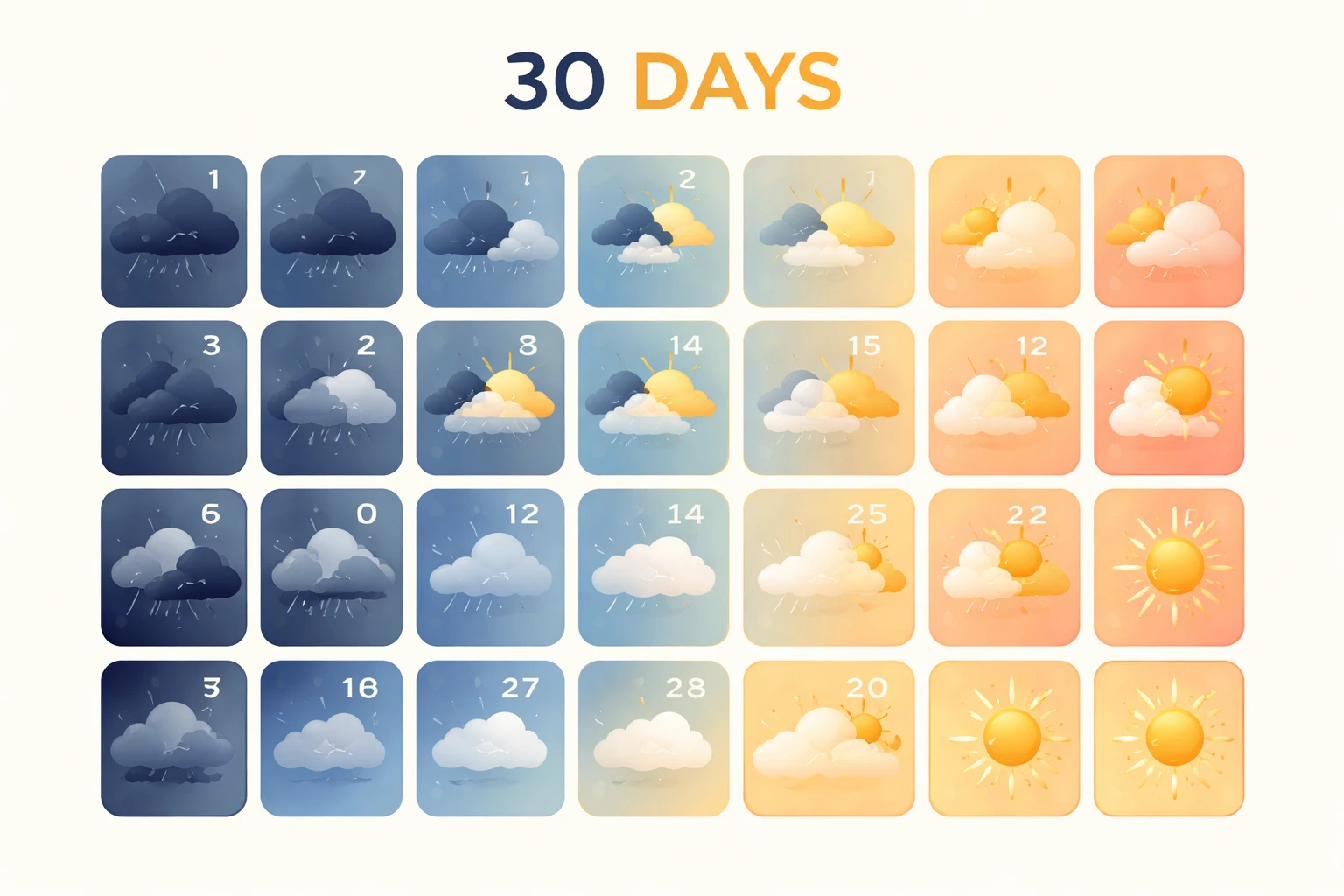
Thirty days. 720 hours. 43,200 minutes without texting, calling, or stalking their Instagram. It sounds impossible right now, doesn't it?
The 30 day no contact rule is the most commonly recommended duration for a reason—it's long enough to create real change, but short enough to feel achievable. If you're starting this journey, you need more than just willpower. You need a roadmap.
Before diving in, make sure you understand no contact rule fundamentals. This guide assumes you know the basics and are ready to execute.
Let's break down exactly what you'll face, week by week, and how to get through it.
Ready to Start Your No Contact Journey?
Track your progress, get AI coaching when the urge to text hits, and become the strongest version of yourself.
Free to start • No credit card required
Why 30 Days? The Science Behind It
You might have heard that it takes 21 days to form a habit. That's actually a myth. Research from University College London found that habits take an average of 66 days to become automatic—ranging anywhere from 18 to 254 days depending on the person and behavior.
So why 30 days for no contact?
The neurological reasoning:
Dopamine reset: Your brain formed reward pathways around your ex. Every text, every call triggered dopamine. Thirty days begins the process of weakening those neural connections.
Emotional processing: Studies show the acute crisis phase of a breakup typically lessens around weeks 3-4. Thirty days gets you through the worst.
Perspective shift: It takes time for your prefrontal cortex (rational thinking) to regain control from your amygdala (emotional reactions). Around 30 days, you start thinking more clearly.
Pattern interruption: Your daily life was structured around this person. Thirty days is enough to establish new routines and break old ones.
Important caveat: Thirty days is a minimum for most situations. It's not a magic number that guarantees results—it's a foundation to build on.
Week 1 (Days 1-7): The Hardest Part
Let's be honest: this week will hurt. A lot.

What you'll feel:
- Physical symptoms: Research from Columbia University shows heartbreak activates the same brain regions as physical pain. Chest tightness, nausea, and sleep disruption are normal.
- Obsessive thoughts: You'll think about them constantly. Your brain is literally in withdrawal from the dopamine your relationship provided.
- Panic and doubt: "What if they move on?" "What if I'm making a mistake?" "What if they're hurting and need me?"
- Urges to break no contact: These will be intense and frequent. You might convince yourself you have a "legitimate reason" to reach out.
How to survive:
Day 1-2:
- Remove their contact from easy access (not delete—just make it harder)
- Mute or unfollow on all social media
- Tell one trusted friend what you're doing so you have accountability
- Accept that today will be about survival, not thriving
Day 3-4:
- Start a simple journal—just write what you're feeling without judgment
- Get your body moving, even if it's just a walk
- Eat actual food, even if you're not hungry
- Sleep matters more than you think—your brain processes emotions during sleep
Day 5-7:
- Notice that you made it almost a week
- The urges haven't disappeared, but you've proven you can resist them
- Start thinking about what you want to do with this time
The truth about Week 1:
You're not supposed to feel better yet. You're in the emotional equivalent of detox. Every hour you don't contact them is rewiring your brain, even though it doesn't feel like progress.
Week 2 (Days 8-14): Finding Your Rhythm
The acute crisis starts to fade. You're still hurting, but you're functional.

What changes:
- Longer gaps between obsessive thoughts: Instead of thinking about them every minute, maybe it's every hour
- Physical symptoms ease: You're sleeping a bit better, eating more normally
- The "false hope" trap: You might start bargaining—"Maybe if I just send one message..."
- Boredom and emptiness: The drama is gone. Now you feel the void.
Focus areas:
Reestablish routines:
- Get back to work or school with full focus
- Set regular sleep and wake times
- Plan your meals instead of surviving on coffee and sadness
Start rebuilding:
- Reconnect with friends you may have neglected during the relationship
- Return to one activity you enjoyed before them
- Begin one new habit—small is fine (5-minute meditation, morning stretches)
Process, don't suppress:
- Journaling becomes more reflective: What went wrong? What was your part?
- Let yourself feel sad during designated "grieving time," then move on with your day
- Notice patterns in your thoughts
What's happening in their head:
By week 2, the initial relief they might have felt is wearing off. They're starting to notice your absence. But don't let this tempt you—their process is their own.
Ready to Start Your No Contact Journey?
Track your progress, get AI coaching when the urge to text hits, and become the strongest version of yourself.
Free to start • No credit card required
Week 3 (Days 15-21): The Turning Point
This is what coaches call "the sweet spot." Something shifts.
Signs of progress:
- Emotional stability: The rollercoaster slows down
- Clearer thinking: You can analyze the relationship more objectively
- Identity returning: You remember who you were before them
- Less phone-checking: The compulsion to see if they've reached out decreases
- Genuine moments of peace: Brief, but real
What to do:
Double down on growth:
- Pursue something that's just for you—a class, a project, a goal
- Challenge yourself physically (training for something gives purpose)
- Read books about attachment, relationships, or personal development
- Consider therapy if you haven't already
Evaluate honestly:
- Write down what you actually want, not what you think you should want
- List the relationship's problems honestly—not to demonize them, but to see clearly
- Ask yourself: "Would I be happy going back to exactly what we had?"
Social reintegration:
- Say yes to invitations, even if you don't feel like it
- Share your growth with supportive friends
- Be genuinely curious about other people's lives
The danger zone:
Week 3 is when many people break no contact. You feel better, so you think you can "handle" reaching out. This is a trap. Feeling better is the result of no contact—ending it now can reset your progress entirely.
Week 4 (Days 22-30): The Home Stretch
You're almost there. And something has changed.
What's different:
- You're not just surviving—you're rebuilding
- The relationship feels further away emotionally
- You've proven something to yourself about your own strength
- Clarity about what you want is emerging
- You're starting to think about the future, not just the past
Final push strategies:
Consolidate your growth:
- Review your journal entries from Day 1. Notice how far you've come.
- Make a list of things you've learned about yourself
- Acknowledge what you've accomplished—30 days is genuinely hard
Prepare for what's next:
- Think about whether you want to reach out, go longer, or move on
- Don't make this decision impulsively—you've earned the right to be thoughtful
- Consider what outcome you actually want and what you're willing to accept
Address remaining challenges:
- If you're still obsessing, that's information—maybe you need more time
- If you've genuinely moved toward acceptance, notice what helped
Daily Checklist for Your 30 Days
Use this framework every single day. Consistency matters more than perfection.
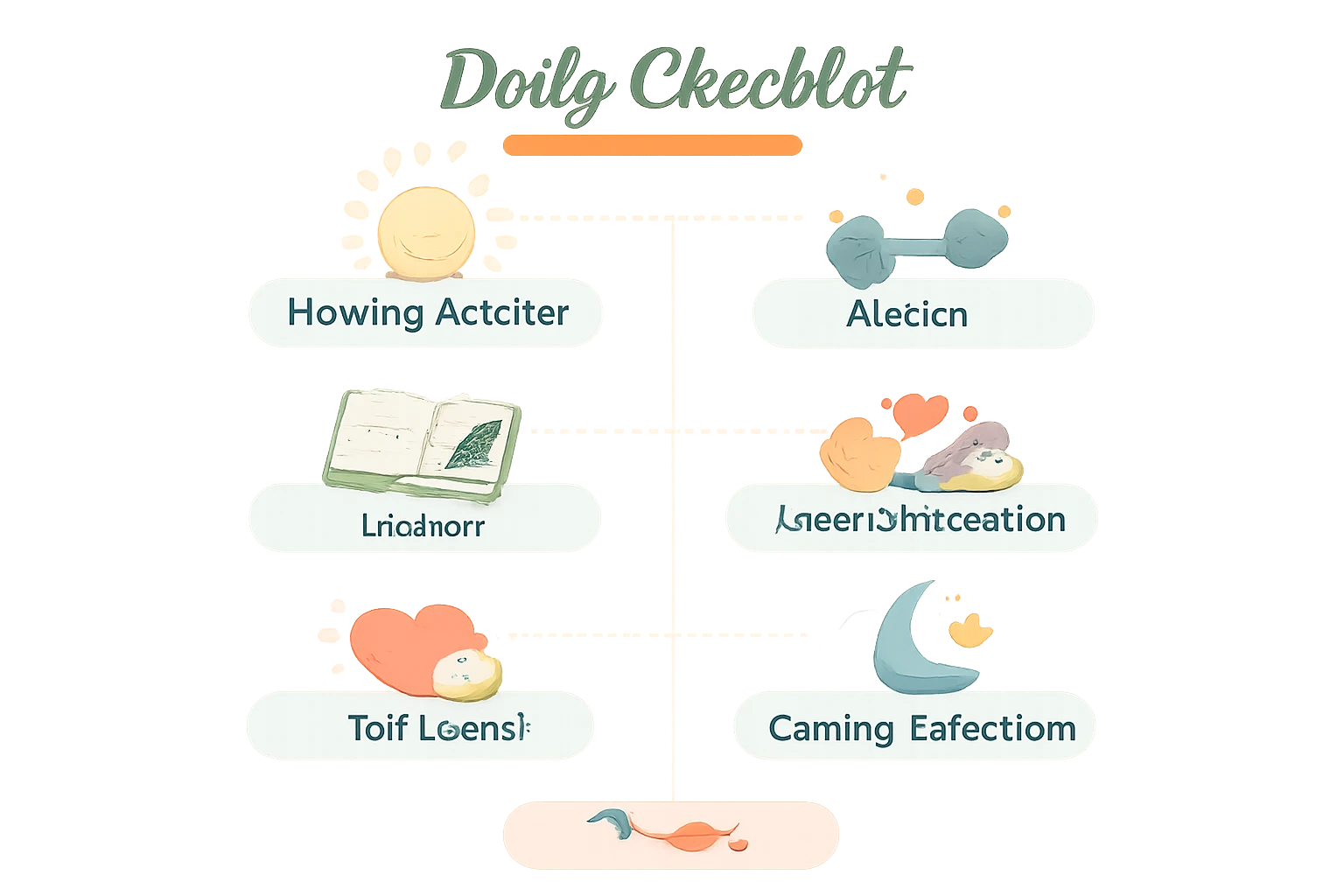
Morning ritual (15 minutes):
- Wake at a consistent time
- No phone for the first 30 minutes
- Brief journaling: "Today I'm feeling..." and "Today I will..."
- Movement (even 5 minutes of stretching)
Throughout the day:
- Stay engaged with work/school
- Connect with at least one person (text a friend, call family)
- One thing that's just for you (hobby, exercise, learning)
- Eat actual meals
- Limit social media (especially anything related to your ex)
Evening reflection (10 minutes):
- Journal: "Today I successfully..." and "Tomorrow I want to..."
- No phone 30 minutes before bed
- Practice one relaxation technique (breathing, meditation, reading)
Weekly additions:
- One social activity
- One new experience (however small)
- One act of self-care
- Check in with your accountability partner
Want daily personalized guidance through each day? You can use a no contact timer to help you stay on track.
What to Do on Day 31
Congratulations. You made it.

Now what?
Option 1: Reach out (if you want reconciliation)
If getting back together is your goal and you feel genuinely ready:
- Read about how to properly end no contact first
- Your first message should be light and low-pressure
- Be prepared for any response, including none
- Don't expect instant results—this is just opening a door
Option 2: Extend no contact
You might realize you're not ready. Signs you should keep going:
- Still having strong emotional reactions when you think about them
- Still checking their social media obsessively
- Haven't developed clarity about what you want
- Haven't processed your role in the breakup
- The idea of them with someone else still devastates you
Option 3: Move on
Thirty days might have shown you that:
- The relationship had fundamental problems you can now see clearly
- You're happier without them than you were with them
- You want something different for your future
- Closure doesn't require their participation
There's no wrong choice here—only the choice that's right for your situation.
When 30 Days Isn't Enough
Let's be real: for some situations, 30 days is just the beginning.
Consider extending to 45-60+ days if:
- The relationship was very long (2+ years)
- The breakup was particularly traumatic
- There was toxicity, manipulation, or abuse involved
- You were deeply enmeshed (shared finances, lived together, etc.)
- You have anxious attachment patterns
- You broke no contact during the 30 days and had to restart
Signs you need more time:
- You still feel desperate rather than just sad
- You're reaching out through "loopholes" (liking posts, reaching out to friends)
- Your daily functioning is still significantly impaired
- You haven't started to feel any genuine peace or acceptance
For guidance on whether a different duration makes sense for your situation, check out choosing a different duration.
The Bigger Picture
Here's what most people miss about the 30 day no contact rule: the point isn't just to make them miss you. The point is to give yourself the space to heal, grow, and gain clarity.
If you do those three things genuinely—heal, grow, gain clarity—good things follow. Maybe that's reconciliation with a stronger foundation. Maybe that's the realization that you deserve better. Maybe it's simply the peace of knowing you can survive hard things.
You're not just getting through 30 days. You're proving to yourself that you're stronger than you thought, more resilient than you felt, and capable of prioritizing your own wellbeing.
That's worth more than any relationship status.
Ready to Start Your No Contact Journey?
Track your progress, get AI coaching when the urge to text hits, and become the strongest version of yourself.
Free to start • No credit card required
Related topics