


You are barely functioning. Sleep is impossible. Food has lost all appeal. Every song on the radio feels like a personal attack. You need to know how to cope with a breakup right now—not in some abstract future, but today.
This article is for you if you are in the thick of it. Not ready for deep healing work, just trying to survive. These are immediate coping strategies that will help you get through the next hour, the next day, the next week.
For the full recovery journey, see our complete breakup recovery plan. But right now, let us focus on getting you through this moment.
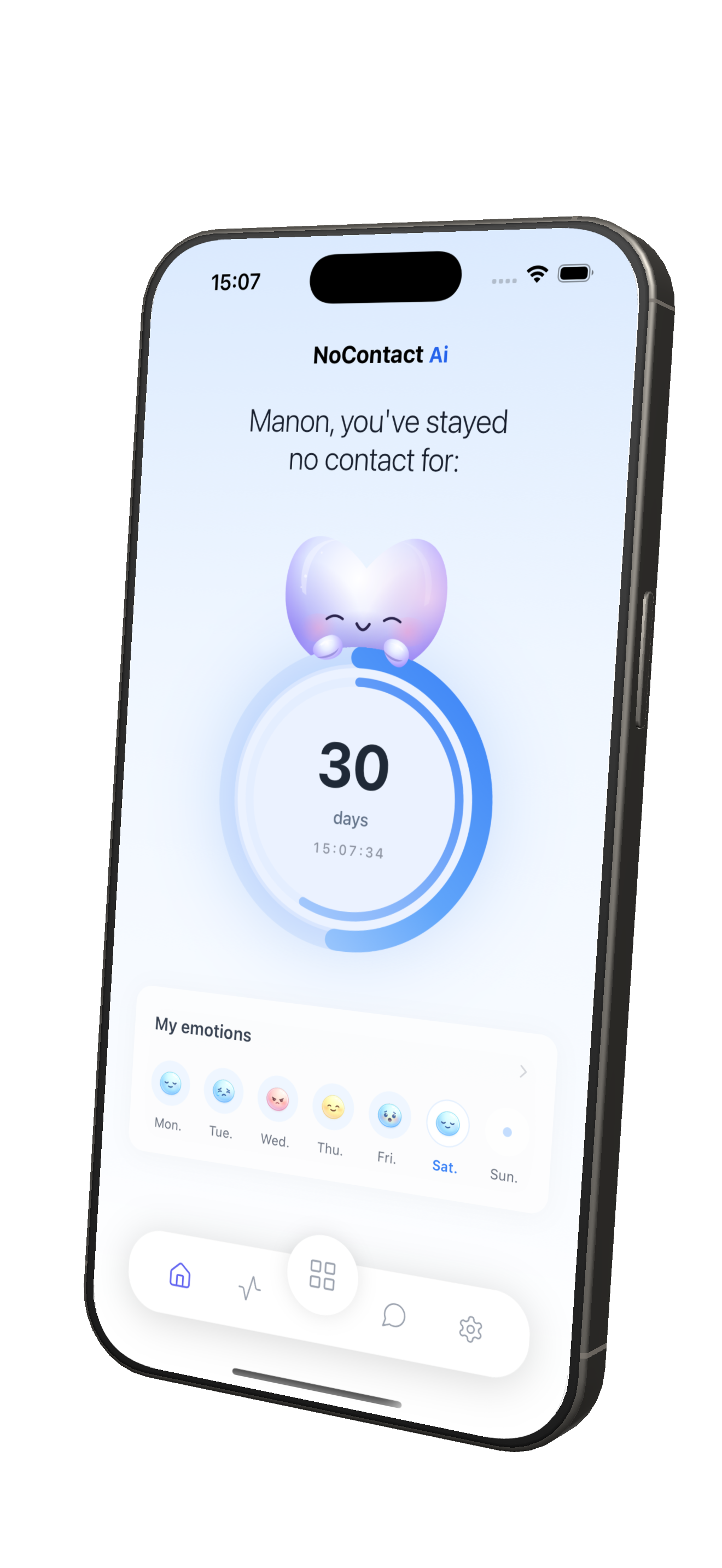
Ready to Start Your No Contact Journey?
Track your progress, get AI coaching when the urge to text hits, and become the strongest version of yourself.
First Things First: You Will Get Through This
Before we dive into strategies, I need you to hear this: this pain is temporary.
I know it does not feel that way. I know it feels like this will never end, like you will never feel normal again, like there is no point to anything anymore.
But millions of people have felt exactly what you are feeling right now—and they survived. Not just survived, but eventually thrived. You will too.
This is not toxic positivity. This is fact. The human heart is remarkably resilient. You just have to get through this part.
Healthy Coping Strategies
Here are strategies that actually help—backed by psychology and real-world experience:
1. Let Yourself Cry
Crying releases stress hormones and provides genuine physiological relief. Do not fight it. Find a private space and let it out.
2. Move Your Body
Even a 10-minute walk changes your brain chemistry. Movement metabolizes stress hormones and releases endorphins. You do not need to run a marathon—just move.
3. Talk to Someone
Reach out to one trusted person. You do not have to have it all figured out. Just say: "I am going through a hard time. Can I talk?"
4. Use the 5-4-3-2-1 Technique
When overwhelmed, ground yourself: Name 5 things you can see, 4 you can touch, 3 you can hear, 2 you can smell, 1 you can taste. This pulls you into the present.
5. Set Small Goals
Do not think about next week or next month. Focus on: "Can I get through the next hour?" Then the next. Small wins accumulate.
6. Create a Comfort Zone
Designate a physical space (your bed, a specific chair) where you allow yourself to fully feel. Outside that space, you try to function.
7. Limit Alcohol and Substances
It is tempting to numb the pain. But alcohol is a depressant that makes everything worse once it wears off. It delays processing and extends your suffering.
8. Write It Out
Grab a notebook and dump everything in your head onto paper. Do not censor, do not edit. Just purge the mental chaos.
Unhealthy Coping to Avoid
Some things feel like they help but actually make things worse:
Social media stalking Every peek at their profile resets your recovery clock. Block, unfollow, or use apps that restrict access.
Rebound relationships Jumping into something new distracts temporarily but prevents real processing. You will just hurt yourself and someone else.
Excessive alcohol/drugs Numbing delays processing. The pain will be waiting when you sober up—often worse.
Isolating completely Some alone time is healthy. Complete withdrawal makes everything harder.
Making major decisions Do not quit your job, move cities, or make big life changes in the first few weeks. Your judgment is impaired.
Reaching out to your ex That text you want to send? It will not make you feel better. It will make things worse.
Endless venting Some processing is healthy. Hours of rumination keeps you stuck.
Coping With Physical Symptoms
Breakups are not just emotional—they are physical. Your body is in genuine distress.
Sleep Problems
Your brain is in fight-or-flight mode, making sleep difficult. Try:
- Consistent bedtime and wake time (even on weekends)
- No screens 1 hour before bed
- Cool, dark room
- White noise or sleep sounds
- Melatonin (short-term, 1-3mg)
- Avoid caffeine after noon
If you have not slept in days, talk to a doctor. Short-term sleep medication is sometimes appropriate.
Appetite Changes
Many people cannot eat after a breakup. Your body is prioritizing survival mode over digestion.
- Do not force large meals
- Eat small amounts frequently (every 2-3 hours)
- Choose easy-to-digest foods (soup, smoothies, toast)
- Stay hydrated (set phone reminders)
- Avoid excessive caffeine (increases anxiety)
If you experience breakup anxiety symptoms like nausea or stomach pain, these usually ease within a few weeks.
Fatigue
Emotional exhaustion is real. Your brain is working overtime processing loss.
- Honor your need for rest
- Take naps if needed (but limit to 20-30 minutes)
- Gentle movement can actually increase energy
- Prioritize only essential tasks
Coping at Work/School
You still have to function in the world. Here is how to get through:
Lower your expectations You are operating at reduced capacity. Do the minimum required and forgive yourself for not excelling.
Build in breaks Schedule short walks, bathroom breaks, or quiet moments to decompress.
Have a cover story ready "I am going through a hard time personally, but I am managing." You do not owe anyone details.
Use your sick/personal days If you have them, use them. This IS a health issue.
Find a private space Know where you can go if you need to cry or decompress (bathroom, car, empty conference room).
Front-load your day Do the hardest tasks in the morning when you have more mental resources.
Coping With Triggers
Songs, places, smells, times of day—triggers are everywhere.
In the Moment
When triggered:
- Name it: "I am being triggered"
- Breathe: Slow, deep breaths for 30 seconds
- Ground: Use the 5-4-3-2-1 technique
- Reassure: "This feeling will pass"
Proactive Management
- Make new playlists (avoid "your songs")
- Take different routes
- Rearrange your living space
- Create new routines for triggering times
- Unfollow mutual friends temporarily if needed
Ready to Start Your No Contact Journey?
Track your progress, get AI coaching when the urge to text hits, and become the strongest version of yourself.
Building Your Coping Toolkit
Everyone copes differently. Build a personalized toolkit of what works for YOU:
Physical Coping
- Walking
- Running
- Yoga
- Dancing
- Boxing/hitting pillows
- Hot bath/shower
- Massage
Emotional Coping
- Crying
- Journaling
- Talking to friends
- Use No Contact App for 24/7 support in your pocket
- Therapy
- Support groups
Distraction Coping (Use Sparingly)
- Movies/TV
- Video games
- Puzzles/crafts
- Cleaning/organizing
- Work projects
Soothing Coping
- Comfort food (in moderation)
- Cozy blankets
- Candles/aromatherapy
- Music (not trigger songs)
- Time in nature
Write down what works. When you are in crisis, you will not be able to think clearly—having a list helps.
When Coping Is Not Enough
Sometimes coping strategies are not sufficient. You need more help if:
- You are having thoughts of self-harm or suicide
- You cannot function at all after 2+ weeks
- You are using substances to get through each day
- You have not eaten or slept in days
- You are experiencing panic attacks
- You feel completely hopeless
These are signs you need professional support. This is not weakness—it is wisdom.
Crisis resources:
- 988 Suicide and Crisis Lifeline (US)
- Crisis Text Line: Text HOME to 741741
- Emergency: 911 or your local emergency number
How to cope with a breakup comes down to this: be gentle with yourself, use healthy strategies, avoid things that make it worse, and ask for help when you need it.
You are not going to feel like this forever. Right now, your only job is to survive this moment. Then the next. Then the next.
You can do this.
Ready to Start Your No Contact Journey?
Track your progress, get AI coaching when the urge to text hits, and become the strongest version of yourself.
Related topics