


If you have ever tried to attract or keep an avoidant interested, you know the confusing paradox: the more you pursue, the more they withdraw. The harder you try to get close, the faster they pull away.
Understanding the traits avoidants find attractive can shift this dynamic entirely. Instead of chasing someone who runs from connection, you can embody qualities that make them feel safe enough to move toward you.
This is not about becoming someone you are not. It is about understanding what creates safety for avoidant attachment—and deciding whether developing those traits serves your own growth.
Ready to Start Your No Contact Journey?
Track your progress, get AI coaching when the urge to text hits, and become the strongest version of yourself.
For deeper context on avoidant psychology, explore our avoidant attachment guide.
Understanding Avoidant Attraction Patterns
Before diving into specific traits, let us understand why avoidants are attracted to certain qualities.
What Avoidants Fear
Avoidants fear:
- Being engulfed or smothered
- Losing their independence
- Becoming dependent on others
- Emotional overwhelm
- Having someone need them too much
What Creates Safety
For avoidants to feel attracted rather than trapped, they need:
- Space to maintain autonomy
- Freedom from pressure
- Emotional stability around them
- A partner who is complete without them
- Low drama and high peace
The traits avoidants find attractive all reduce their core fears while allowing connection to feel safe rather than threatening.
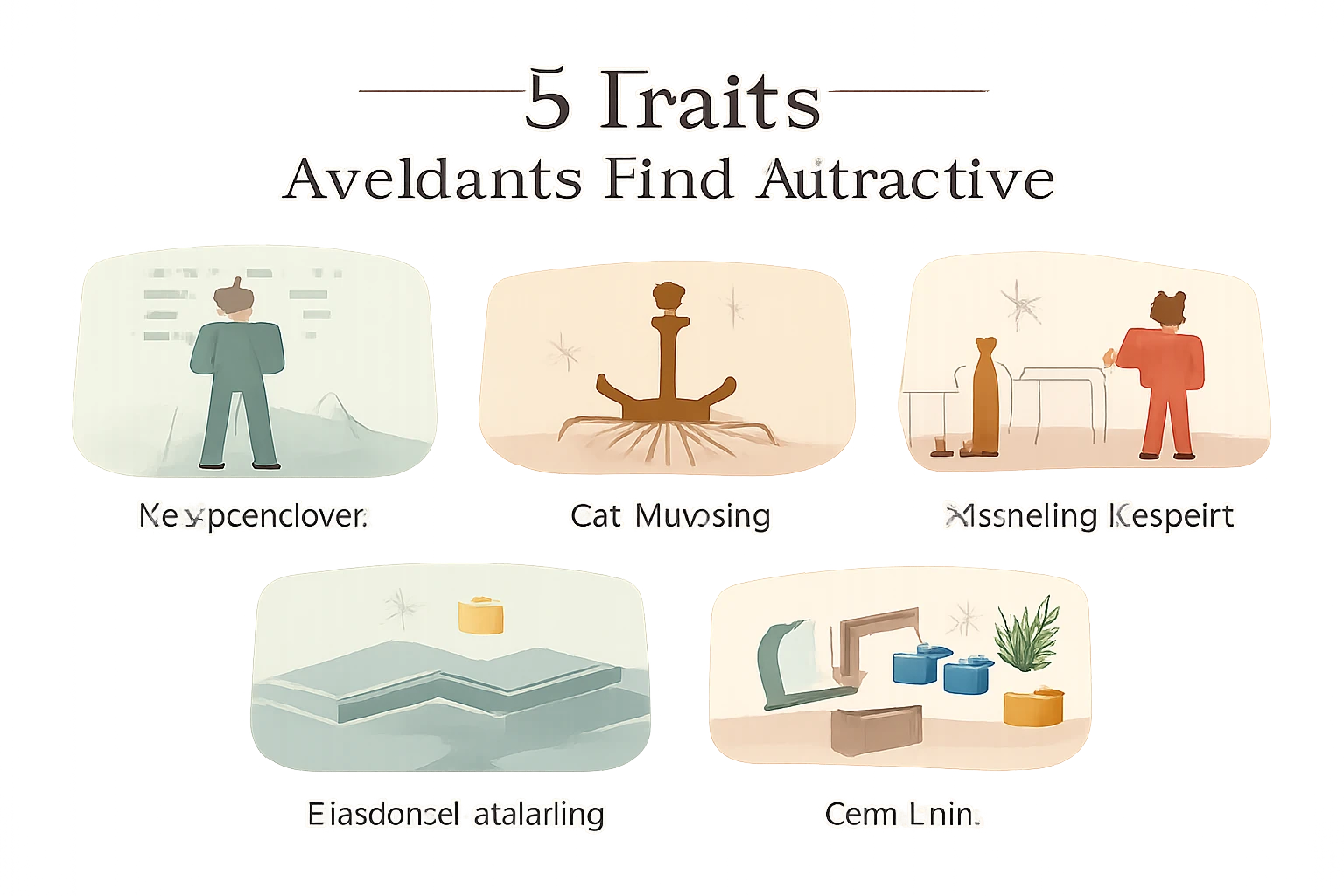
Trait 1: Independence
Nothing attracts an avoidant more than someone who genuinely does not need them.
What Independence Looks Like
- Having your own friends, hobbies, and interests
- Making plans that do not revolve around them
- Being comfortable spending time alone
- Not dropping everything when they are available
- Maintaining your life regardless of their presence
Why Avoidants Find This Attractive
Independence signals that you will not:
- Smother them with constant togetherness
- Make them responsible for your happiness
- Create guilt when they need space
- Become devastated if they withdraw
When an avoidant senses true independence, their nervous system relaxes. You are not a threat to their autonomy—you are someone who can enhance their life without engulfing it.
The Key Distinction
There is a difference between performed independence (playing hard to get) and genuine independence (actually having a fulfilling life). Avoidants can sense the difference. Game-playing feels manipulative. Real independence feels attractive.
Trait 2: Security in Self
Self-security means having a stable sense of your own worth that does not depend on their validation or presence.
What Self-Security Looks Like
- Not needing constant reassurance about the relationship
- Staying calm when they do not text back immediately
- Not interpreting their need for space as rejection
- Having confidence in your own value
- Not seeking their approval for decisions
Why This Attracts Avoidants
Avoidants are exhausted by anxiety in partners. If you need frequent reassurance, check-ins, or validation, they feel pressure to provide emotional labor they find draining.
A self-secure partner says: "I know my worth. I am not dependent on your attention to feel okay." This removes the burden avoidants fear most—being responsible for someone else's emotional wellbeing.
The Connection to Attachment
Self-security is essentially the hallmark of secure attachment. Securely attached people are the ideal partners for avoidants because they provide warmth without neediness, connection without suffocation.
Trait 3: Respecting Boundaries
Boundary respect means understanding and honoring their need for space without taking it personally.
What Boundary Respect Looks Like
- Giving space when they need it without drama
- Not pushing for closeness when they are withdrawing
- Accepting "not right now" without guilt-tripping
- Having your own boundaries and enforcing them
- Not tracking their every move or demanding constant updates
Why This Matters to Avoidants
Avoidants have heightened sensitivity to feeling controlled or trapped. Partners who:
- Ask where they are constantly
- Get upset when they want alone time
- Push for more contact than they are comfortable with
- Ignore their stated boundaries
...create exactly the trapped feeling avoidants are trying to escape.
When you respect boundaries, you communicate: "Your autonomy is safe with me. I do not need to control you to feel secure."
The Balance
Respecting boundaries does not mean accepting crumbs. It means understanding healthy needs for space while maintaining your own standards for connection. These can coexist.
Trait 4: Emotional Stability
Emotional stability means being able to regulate your emotions without requiring them to manage you.
What Emotional Stability Looks Like
- Processing difficult emotions without dramatic displays
- Not spiraling when things go wrong
- Approaching conflict calmly rather than explosively
- Self-soothing rather than requiring their comfort
- Handling disappointments with resilience
Why Avoidants Need This
Avoidants are often overwhelmed by intense emotions—both their own and others. When a partner frequently:
- Cries intensely during disagreements
- Has emotional breakdowns they must manage
- Creates high drama around minor issues
- Requires extensive emotional processing
...the avoidant feels drained and begins associating the relationship with emotional labor rather than peace.
An emotionally stable partner creates a calm environment where the avoidant can actually relax and be present.
Trait 5: Having Your Own Life
This overlaps with independence but goes deeper—it is about having a rich, fulfilling existence that you invite them into rather than a life centered around them.
What Having Your Own Life Looks Like
- Career or pursuits you are passionate about
- Friendships that matter to you
- Goals and ambitions independent of the relationship
- Activities and interests that fulfill you
- A sense of purpose beyond the partnership
Why This Attracts Avoidants
When your life is full without them, several things happen:
- They do not feel responsible for your fulfillment
- Your energy is expansive rather than dependent
- Being with you feels like addition, not obligation
- Their presence is desired, not desperately needed
Avoidants want to be chosen, not clung to. When you have a life you love, choosing them feels genuine rather than desperate.
The Irony
Partners who make avoidants their entire world often lose them. Partners who maintain their own world often keep them interested. The avoidant paradox in action.
The Paradox: Why Anxious People Attract Avoidants
Here is a confusing reality: despite being attracted to secure, independent partners, avoidants often end up with anxiously attached people. Why?
The Initial Attraction
Anxious partners often:
- Pursue enthusiastically (which feels flattering initially)
- Provide lots of warmth and validation
- Express strong interest and desire
- Fill the avoidant's need for connection (at first)
The Familiar Dance
Both anxious and avoidant attachment styles develop from childhood wounds. They often unconsciously recognize each other—the dynamic feels familiar, even if painful.
- The anxious person finds the avoidant's distance familiar (like an emotionally unavailable parent)
- The avoidant finds the anxious person's pursuit familiar (like overwhelming caregivers)
Why It Does Not Work Long-Term
Despite initial attraction, the anxious-avoidant pairing typically becomes painful:
- The anxious partner pursues more as the avoidant withdraws
- The avoidant withdraws more as the anxious partner pursues
- Both feel increasingly frustrated and unfulfilled
Understanding anxious attachment patterns can help you recognize if you fall into this dynamic.
Should You Change for an Avoidant?
This is the crucial question: should you develop these traits to attract or keep an avoidant?
Yes, If...
The traits are genuinely good for you regardless of them:
- Independence creates a fulfilling life
- Self-security feels better than anxiety
- Emotional stability serves all your relationships
- Having your own life brings satisfaction
These are not manipulative tactics—they are hallmarks of healthy personal development. Becoming more secure benefits you whether the avoidant responds or not.
No, If...
You are performing rather than genuinely developing:
- Pretending not to care when you do
- Suppressing legitimate needs to seem low-maintenance
- Ignoring your desire for connection to appear independent
- Hiding your emotions rather than actually regulating them
Inauthenticity does not work long-term. Avoidants eventually see through performance. And more importantly, suppressing your true self to keep someone creates resentment and disconnection.
The Real Question
Instead of "Should I change for an avoidant?" ask: "Do I want to become a more secure version of myself regardless of outcome?"
If yes, then No Contact App can help you develop those secure traits for your own growth. The relationship benefits are secondary.
If you are only willing to change to keep a specific person, that is a sign you may be in an anxious-avoidant dynamic that requires deeper examination.
The Honest Conclusion
The traits avoidants find attractive—independence, self-security, boundary respect, emotional stability, having your own life—are essentially the traits of secure attachment.
Developing these qualities will make you more attractive to avoidants. But more importantly, it will make you healthier in all your relationships and more fulfilled as an individual.
If you are trying to win back an avoidant, these traits matter significantly. Learn more about getting avoidant ex back with specific strategies.
Remember: the goal is not to become someone else to please an avoidant. The goal is to become the most secure version of yourself—and let that security naturally attract people who can appreciate it.
Ready to Start Your No Contact Journey?
Track your progress, get AI coaching when the urge to text hits, and become the strongest version of yourself.
Related topics